


The Future of Mobility: Exploring the Scion KEI-01
“The future of mobility will not be defined by one vehicle, one technology, or one way of thinking,” said Simon Humphries, Toyota’s chief branding officer and head of design. This philosophy resonates deeply with Toyota’s latest ventures under the Scion by Toyota banner, a brand designed to push the boundaries of conventional car design and usability. One particularly intriguing project is the KEI-01, a compact utility vehicle that raises questions about transportation norms and applications.
What is the KEI-01?
The KEI-01 is classified as a “low-speed vehicle,” designed primarily for urban environments and limited-speed applications. This means it’s restricted to a maximum speed of 25 mph (40 km/h), making it less suitable for highways and rapid transit. For anyone envisioning cruising along the freeway, it’s important to note: prepare to be the subject of some honks if you attempt to navigate faster-paced roads.
Interestingly, this restricted speed opens up a new realm of possibilities for certain demographics. Toyota has stated that this vehicle is tailored for small business owners, farmers, ranchers, facility management organizations, and even outdoor enthusiasts. The KEI-01 serves to fill a niche market where speed is less critical than functionality and utility.
Design Features
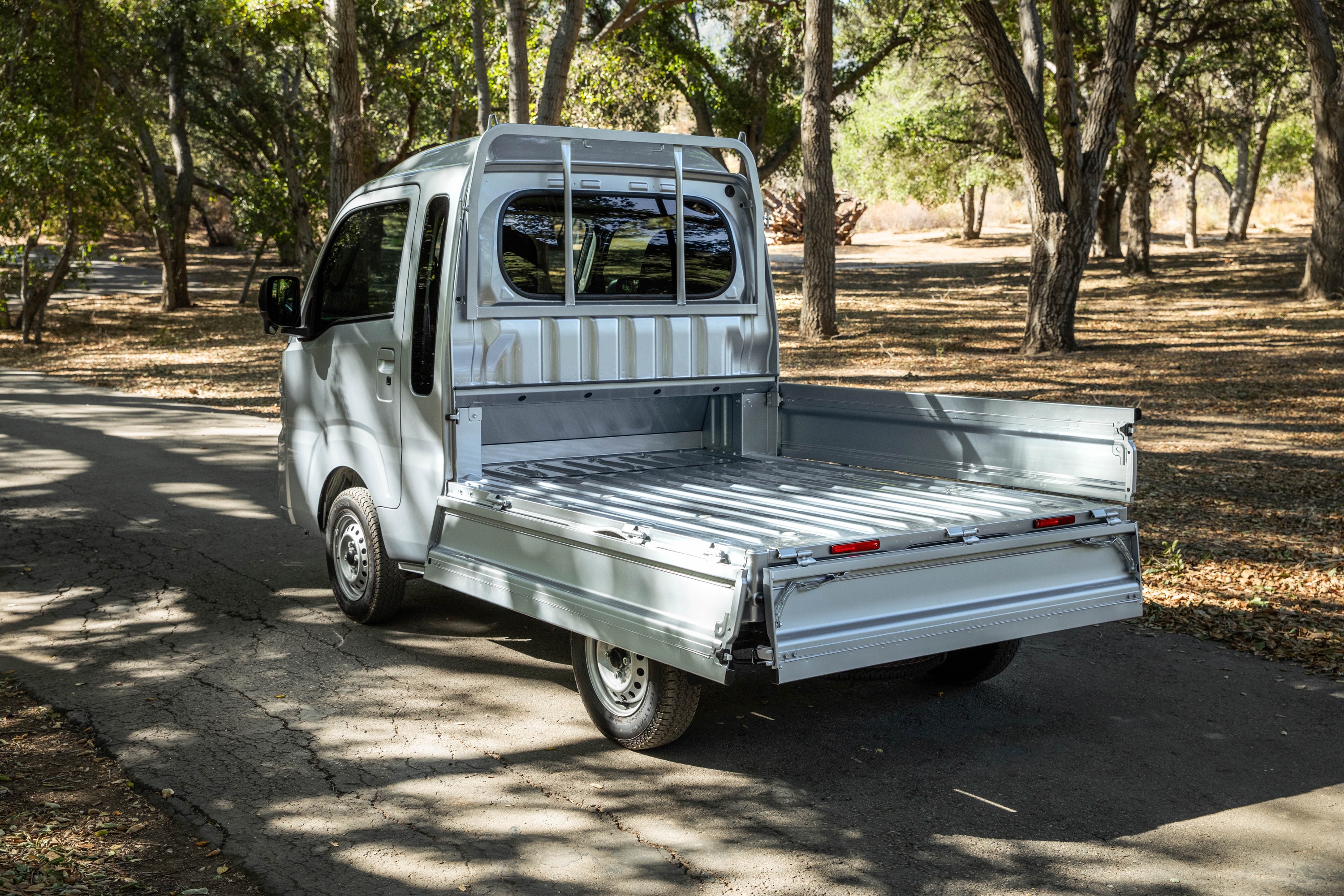
Equipped with a bed capable of carrying up to 600 lbs (272 kg), the KEI-01 is designed primarily as a workhorse. With its all-wheel drive, it’s more than just a quirky urban vehicle; it has practical applications for those needing to haul items across varied terrains. However, it’s worth noting that Toyota will initially limit sales to fleet buyers, leaving individual consumers with a missing key in the ignition of potential ownership.
Market Comparisons: More Than Just a Small Car
While discussions about kei cars often drift towards models like the Honda N-One, the KEI-01 breaks the mold. Unlike traditional kei cars, which are compact and often designed for personal use, the KEI-01 offers something unique: a practical utility vehicle experience. Its design is less about aesthetics and more focused on performance for specific tasks, positioning it as a viable option for business and agricultural sectors.
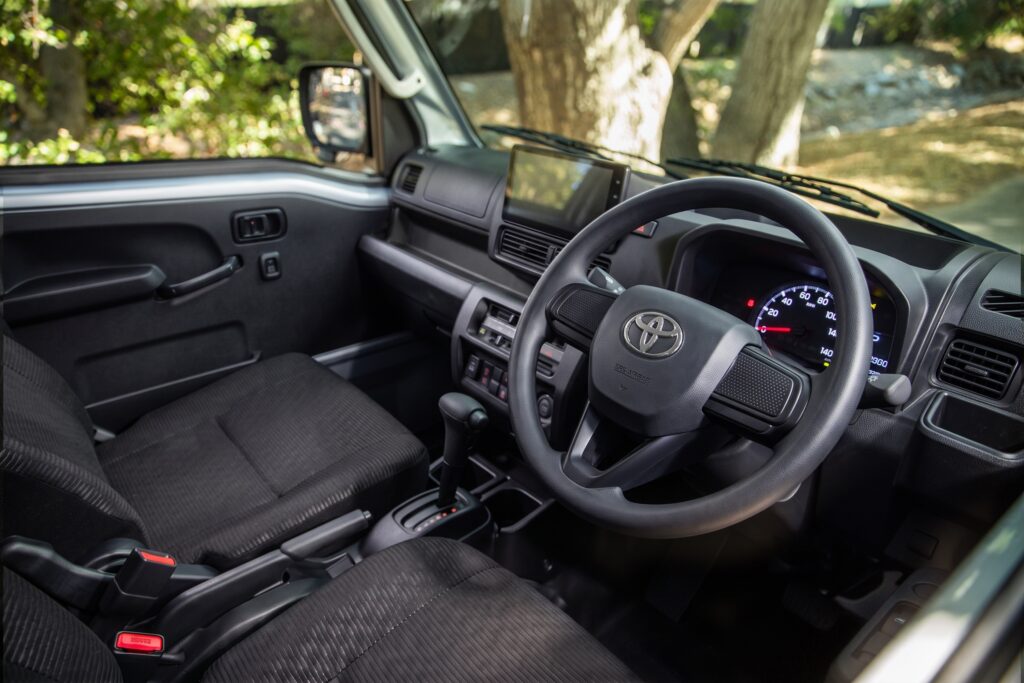
Notably, it’s only available in right-hand drive—suitable for the Japanese market where it’s designed—but this may limit its overall appeal elsewhere unless the model sees adjustments in production for other driving orientations.
Manufacturing and Job Creation
Anticipated to arrive as knock-down kits at Toyota’s assembly plant in Indiana by mid-2027, the introduction of the KEI-01 promises to add approximately 50 jobs to the local workforce. This effort is indicative of Toyota’s commitment not just to innovation but also to contributing to local economies while providing vehicles that meet specialized demands.
Broader Implications of Low-Speed Vehicles
Low-speed vehicles have existed on the fringes of transportation in many regions for years. Within communities like Washington, D.C., electric shuttles and even gas-powered golf carts provide practical solutions for local mobility. The KEI-01 emphasizes a growing acceptance and utility of low-speed options across various sectors, particularly in urban areas where conventional vehicles may be impractical.
Pricing Strategies in the Unknown
While Toyota has been tight-lipped about specific pricing, estimates suggest it could range anywhere from $10,000 to $28,000. Such pricing dynamics will be crucial for determining how well the KEI-01 captures its target markets, especially among individuals and businesses looking for cost-effective utility solutions.
Ultimately, the KEI-01 stands as a testament to Toyota’s dedication to rethinking mobility. By positioning a vehicle that straddles the line between practicality and innovation, it not only aims to meet present-day needs but also prompts a reevaluation of how we understand and interact with transport solutions.